Inspiring Older Individuals to Engage in Regular Exercise Through Evidence-Based Fitness Guidelines
Wiki Article
Staying energetic is crucial for individuals of all ages, but it becomes especially significant as persons grow older. For elders, consistent physical activity assists in sustaining self-reliance, improves movement, and enhances quality of life. Detailed fitness plans deliver seniors with structured strategies to physical health that cover coordination, range of motion, strength, and resilience. By implementing carefully planned workout recommendations, older participants can improve their quality of life while reducing the likelihood of accidents, chronic diseases, and emotional difficulties.
Exercise for seniors is not confined to intense routines or heavy gym workouts. It centers instead on safe, gradual, and sustainable physical engagement that matches unique ability levels. Activities such as leisure walking, stretching, chair yoga, and strength conditioning aid in preserving limberness and strength. Heart-strengthening activities like aqua aerobics or recumbent cycling enhance cardiovascular function, which are important for maintaining stamina and stamina. These physical practices also support mental function, as studies have indicated that regular exercise can improve recall, mood, and mental performance.
Thorough exercise guidelines emphasize a well-rounded strategy to wellness, covering muscular, emotional, and community factors of lifestyle. Seniors are advised to ease in and progress at a manageable speed, guaranteeing safety while preventing fatigue. Including mobility sessions prevents muscle soreness, while proper fluid intake and diet complement exercise routines. Additionally, community-based programs—such as group fitness classes or organized group walks—create discover here avenues for companionship, engagement, and emotional support, which are just as vital to complete fitness.
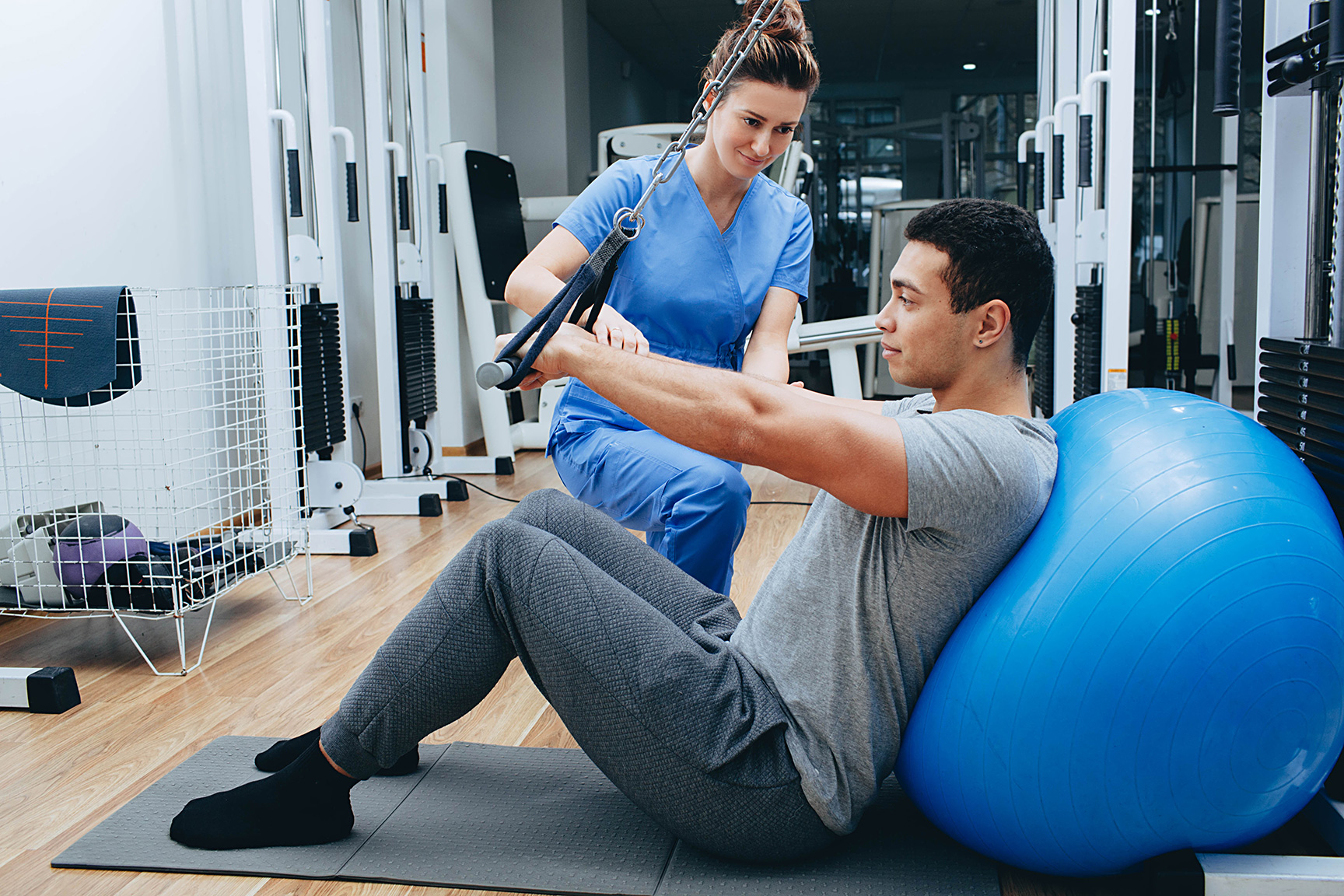
Professional guidance plays a key function in supporting older adults develop customized training schedules. Working with healthcare providers, rehabilitation specialists, or qualified instructors verifies that routines are tailored to personal needs, endurance, and objectives. These professionals can design effective workout protocols that consider elements such as joint conditions, bone fragility, or aerobic restrictions. Through regular evaluation and adjustment, exercise plans stay beneficial and rewarding, encouraging lasting adherence and progress.
Overall, enabling seniors to embrace exercise through inclusive training recommendations builds a community of lifelong movement. When participants are equipped with knowledge, motivation, and structured support, they build trust in their mobility and appreciate greater freedom. Sustained fitness improves not only physical strength but resource also cognitive health and well-being. By supporting inclusive, well-guided fitness programs, communities can help that every senior has the chance to lead a active, vibrant, and rewarding journey.